Spray drying specialist · Wuxi, China
Spray Dryer Manufacturer
Since 1980
Centrifugal, pressure and two-fluid spray dryers designed around your material, from 5 kg/h lab units to single atomizers rated at 60 t/h.
Lithium battery materials · BTR, Shenzhen · 2022
LFP cathode material, dried to under 0.5% moisture
High-speed centrifugal spray dryers for positive and negative electrode materials, from 5 to 1,000 kg/h per unit.
Redispersible polymer powder · Oriental Yuhong · 2017
RDP plants from 100 to 700 kg/h of dry powder
Polymer emulsion dried to free-flowing powder for dry-mix mortar, with two-stage bag filters recovering 99.8% of the product.
Closed-loop solvent recovery · Shanxi Yangzhongxin
Nitrogen closed-loop dryers for flammable solvents
The evaporated solvent is condensed and recovered as liquid, with explosion-proof sensors and controls throughout the loop.
Centrifugal Spray Dryer
25–80 µm · 2 kg/h – 60 t/h Centrifugal dryers → High-pressure nozzlePressure Spray Dryer
48–250 µm · up to 20 t/h Pressure dryers → Air-atomizing nozzleTwo-Fluid Spray Dryer
5–50 µm · fine powders Two-fluid dryers → Not sure?Compare the three atomizing methods
See the comparison →Linzhou Dryer in numbers
Proven at every scale, from lab to plant.
Atomizing methods compared
Choose the atomizer by the powder you need.
Particle size, feed viscosity, energy use and plant height all depend on how the liquid is broken into droplets. We test your material before we recommend one.
Centrifugal Spray Dryer
Feed lands on a disc spinning at high speed. Centrifugal force spreads it into a thin film that leaves the rim as a spray of droplets.
Applications
Spray drying for food, chemicals, batteries and wastewater.
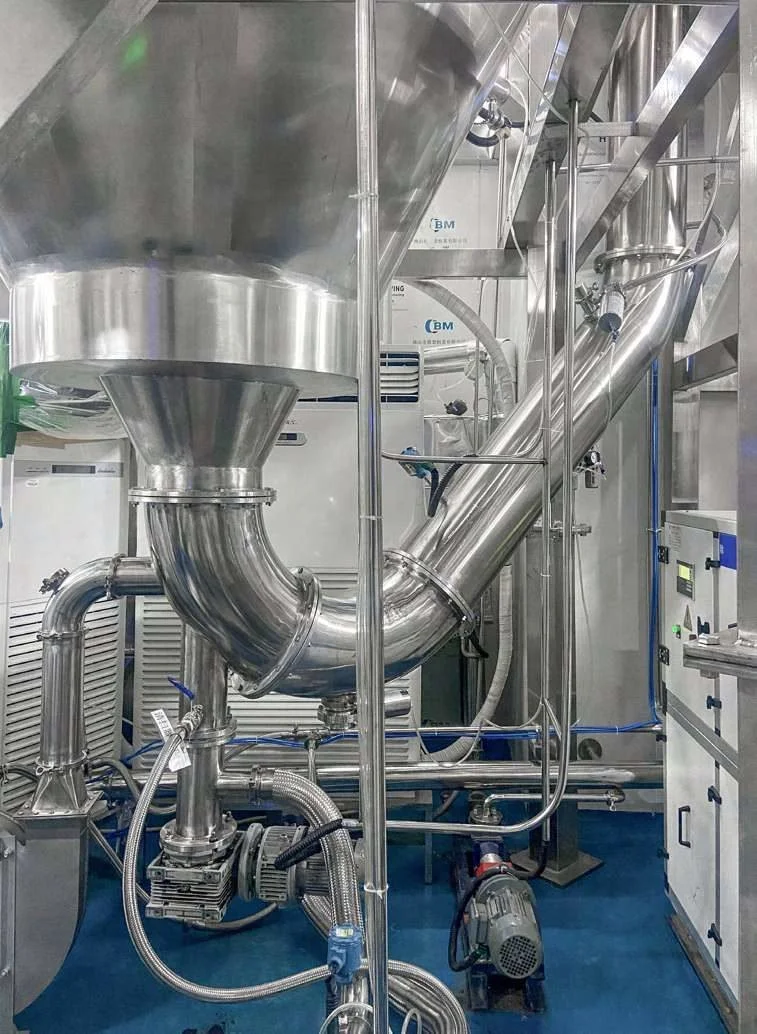
Protein Powder
Coarse 180–250 µm powder that dissolves without dusting.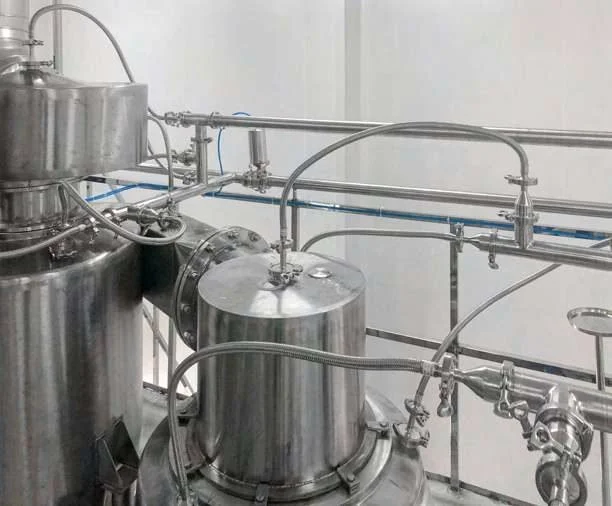
Food Additives
Stevia, XOS, flavours and spices. 304/316L contact parts.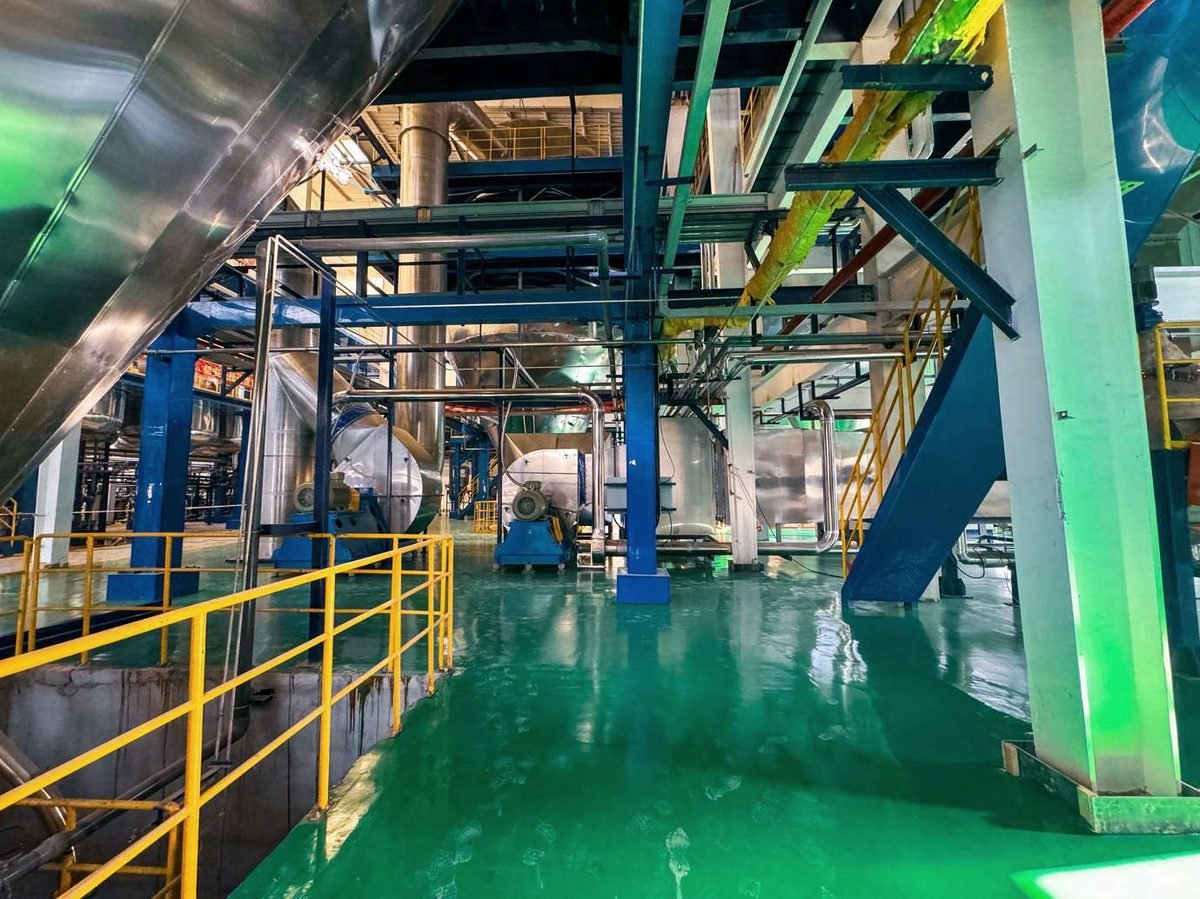
Lithium Battery Materials
LFP cathode and anode slurries dried to under 0.5% moisture.Redispersible Polymer Powder
100–700 kg/h with 99.8% powder recovery.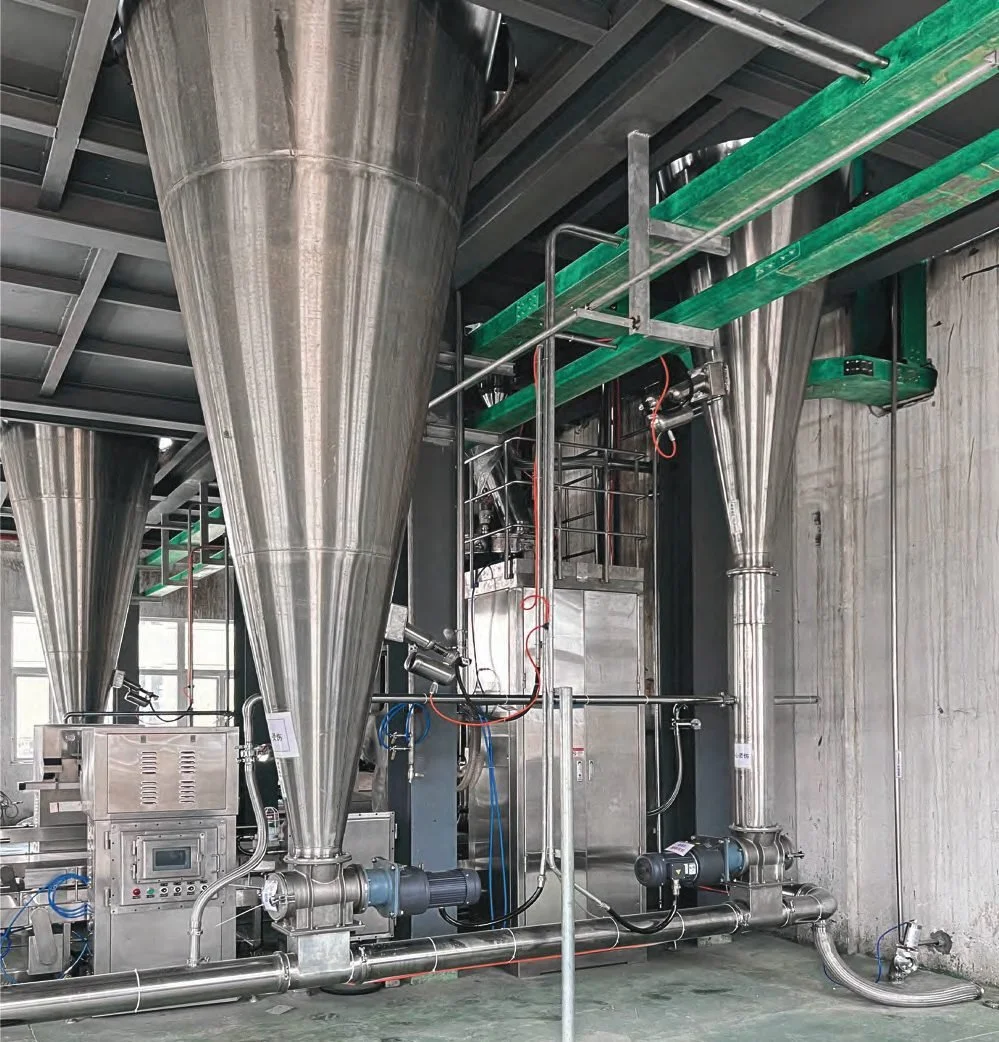
Alumina Ceramic
Free-flowing granules for dry pressing.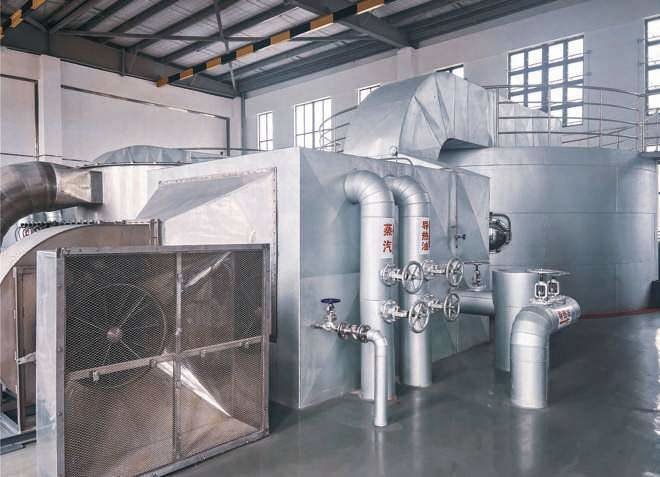
Industrial Wastewater
Concentrates dried to a solid for zero liquid discharge.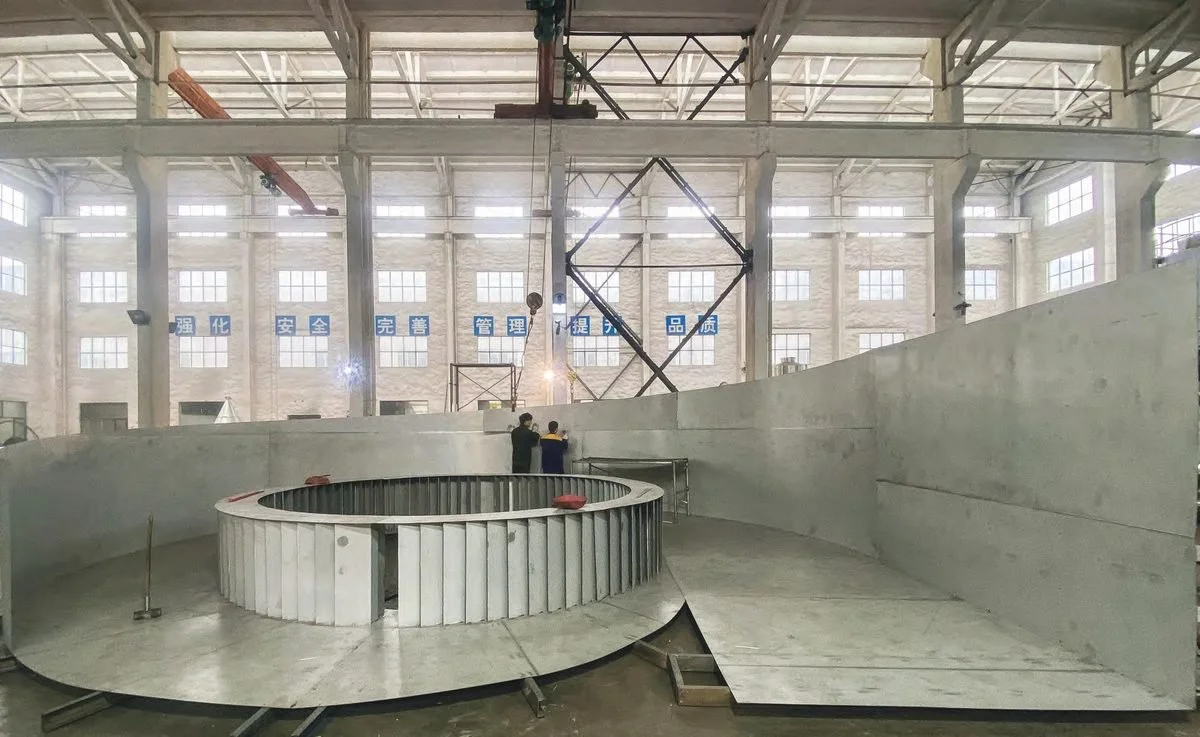
Flue Gas Desulfurization
Semi-dry FGD, developed with a power design institute.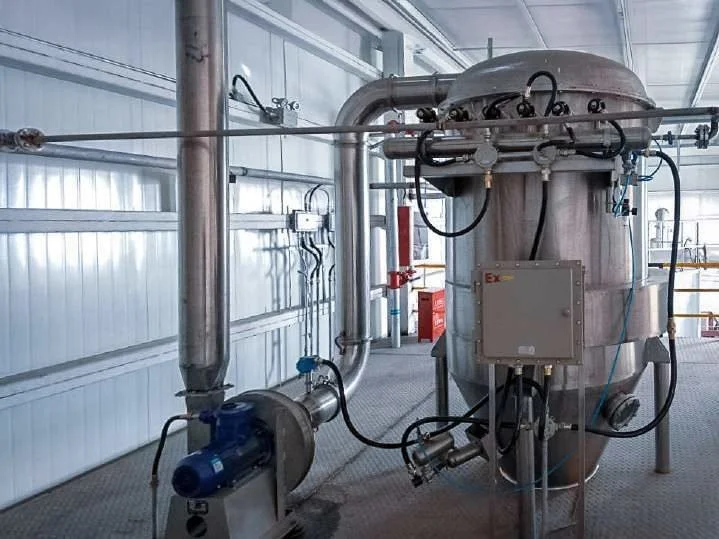
Organic Solvent Recovery
Inert-gas loop that condenses and recovers the solvent.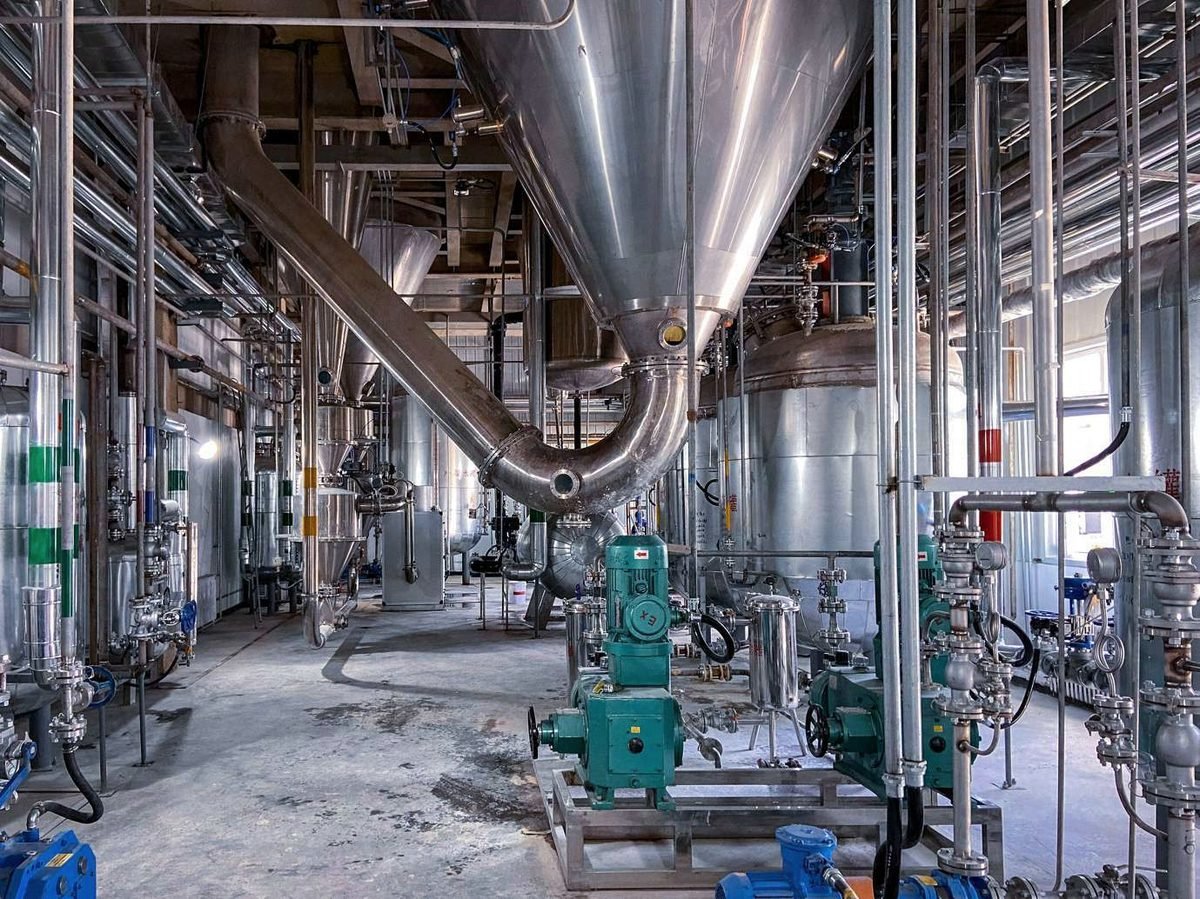
Powdery Emulsion Explosive
Three-fluid atomization designed for PEE.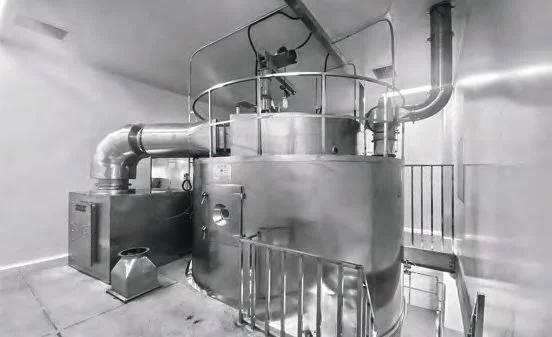
Lab & Pilot Spray Dryers
5, 8, 10, 15 and 20 kg/h units for trials.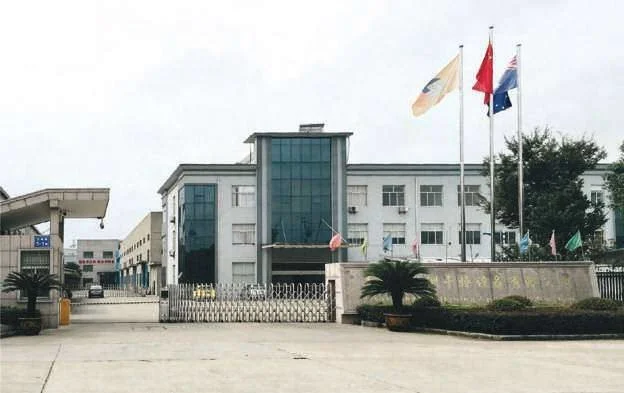
Why Linzhou Dryer
Spray drying is all we do.
Wuxi Linzhou Drying Equipment Co., Ltd. has designed and built spray dryers since 1980. We make centrifugal, pressure and two-fluid spray dryers, closed-loop systems and lab units, plus the atomizers inside them. Our own research institute and electrical control company sit under the same roof.
- 1980Founded in Wuxi, Jiangsu Province.
- 1994First spray dryers exported.
- 1998Drafted China's national industry standard for high-speed centrifugal spray dryers.
- 45 t/hBuilt China's first 45 t/h high-speed centrifugal atomizer as a national project.
Research & testing
Not sure which dryer fits?
Test your material first.
Our test center runs feasibility trials on customer samples before a design is fixed, so you see the powder before you buy the plant.
- Send a sample and your target specSolids content, viscosity, moisture and particle size you need.
- We spray dry it on our lab and pilot unitsInlet and outlet temperatures, atomizer and yield are recorded.
- You get the powder and a test reportThe report becomes the basis for the full-scale design.
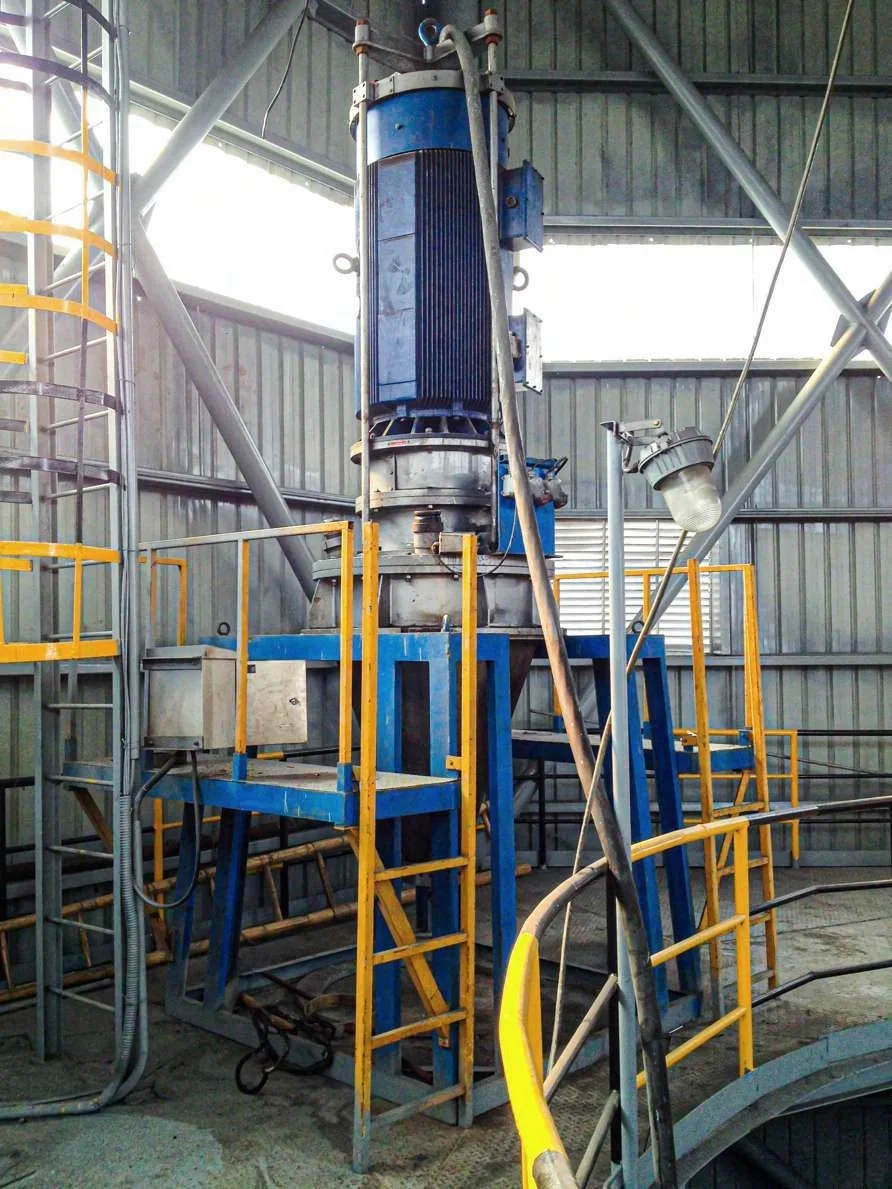
Reference projects
Running in plants that ship powder every day.
How a project runs
From your sample to a running plant.
- Testing & samplingFeasibility trials on your material.
- Custom designSized to your powder spec and site.
- ProcurementUnder ISO 9001 controls.
- ProductionMade in our Wuxi workshop.
- Final inspectionChecked before shipment.
- Delivery60 days on average.
- Installation & serviceCommissioning and after-sales support.
Guides & insights
Notes from the drying floor.
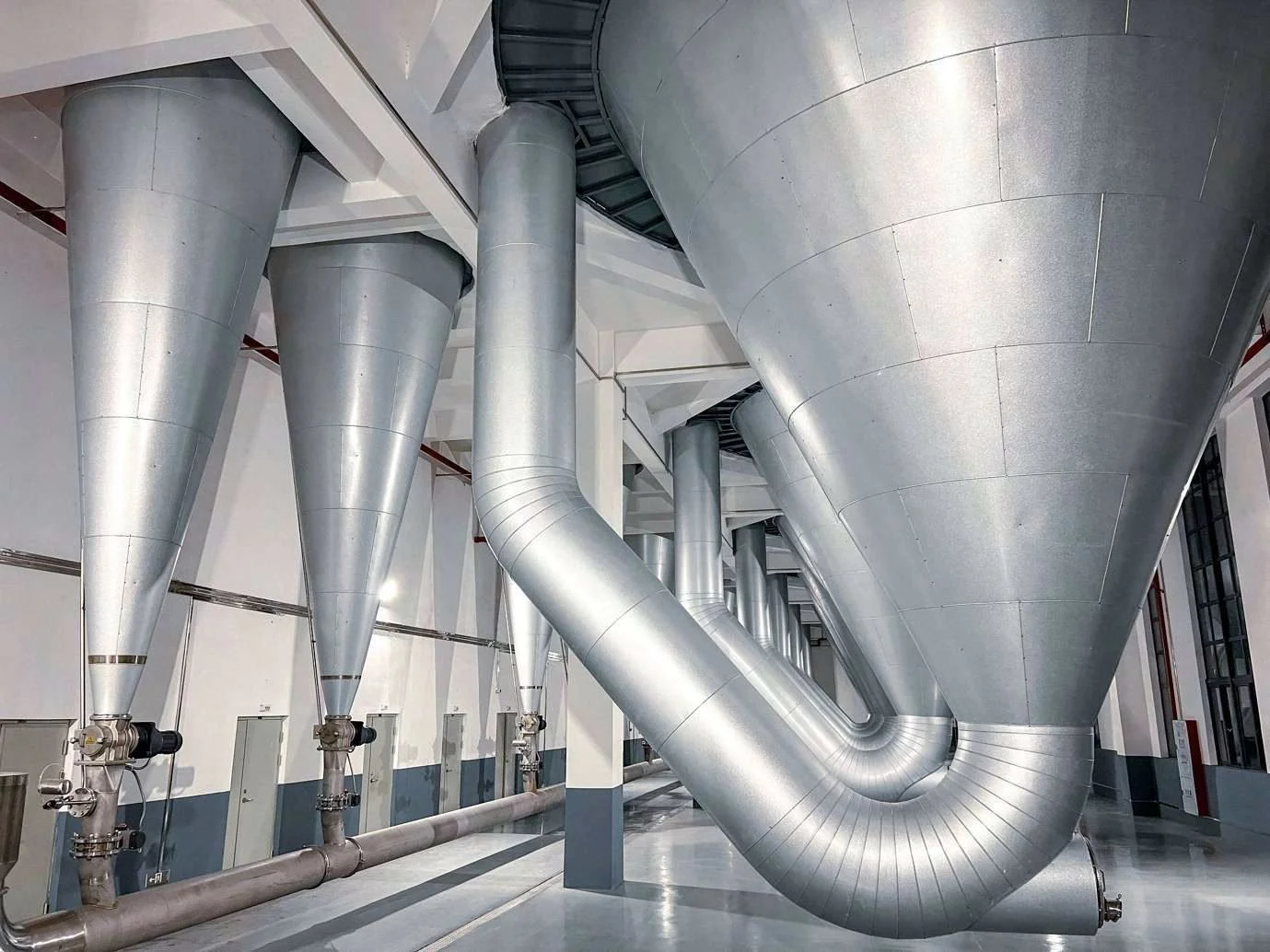
Centrifugal, pressure or two-fluid: choosing a spray dryer
Particle size, viscosity and energy use, compared side by side.
Spray drying LFP cathode material to under 0.5% moisture
What changes when the powder goes into a battery.
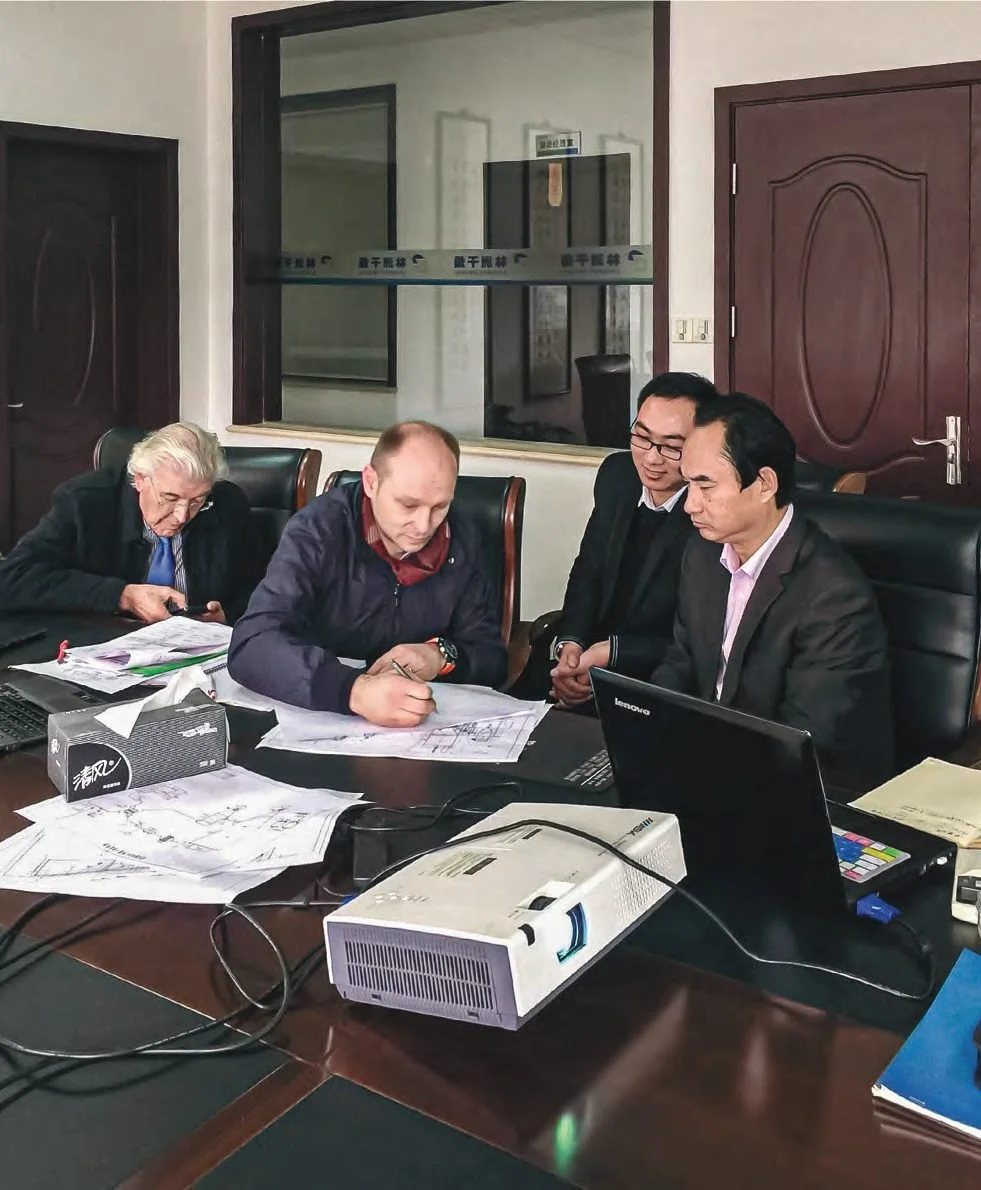
What to send us before a material test
The six numbers that let us size a dryer on the first call.
2025 product brochure
Every series, every application, in 44 pages.
Atomizing methods compared, typical process parameters and reference plants.
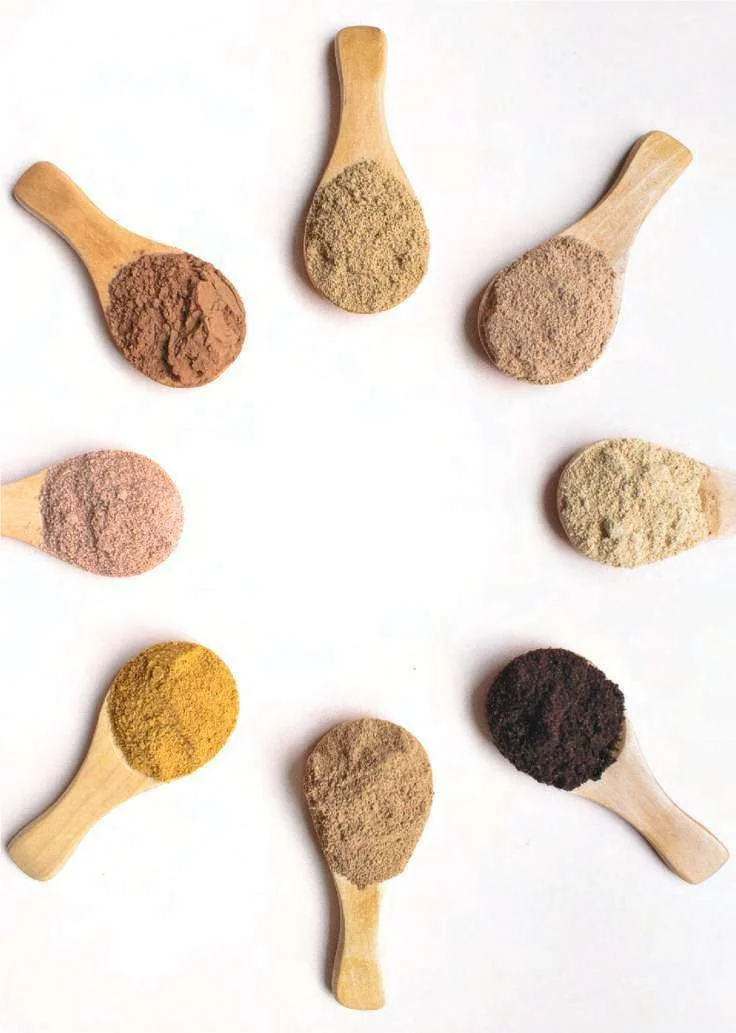
Where we work
Built in Wuxi, running worldwide.
We have exported spray dryers since 1994. Sales and project support in English from our office in Melbourne.
What capacities can you build?
From 5–20 kg/h lab and pilot units up to production dryers with 10–15 t/h water evaporation. A single centrifugal atomizer handles spray rates from 2 kg/h to 60 t/h; pressure nozzle dryers reach 20 t/h.
Which atomizer should I choose?
It depends on your material. Centrifugal gives 25–80 µm powder at the lowest energy use. Pressure nozzles give coarser 48–250 µm powder and handle viscous feeds. Two-fluid nozzles give the finest 5–50 µm powder. We confirm the choice with a test on your sample.
Can you test my material before I order?
Yes. Our test center runs feasibility trials on lab and pilot spray dryers and sends you the powder with a report of the process parameters.
How long does delivery take?
Average delivery is 60 days from design approval. Large or multi-stage plants take longer; we confirm the schedule with the quotation.
What certifications do you hold?
CE marking, and ISO 9001, ISO 14001 and ISO 45001 management systems. Food and pharmaceutical dryers are built to GMP with 304 or 316L stainless steel contact parts.
Tell us about your material.
Share your feed and target powder, and our engineers will reply with a recommended process and a budget quotation. Email: info@lzdryer.com